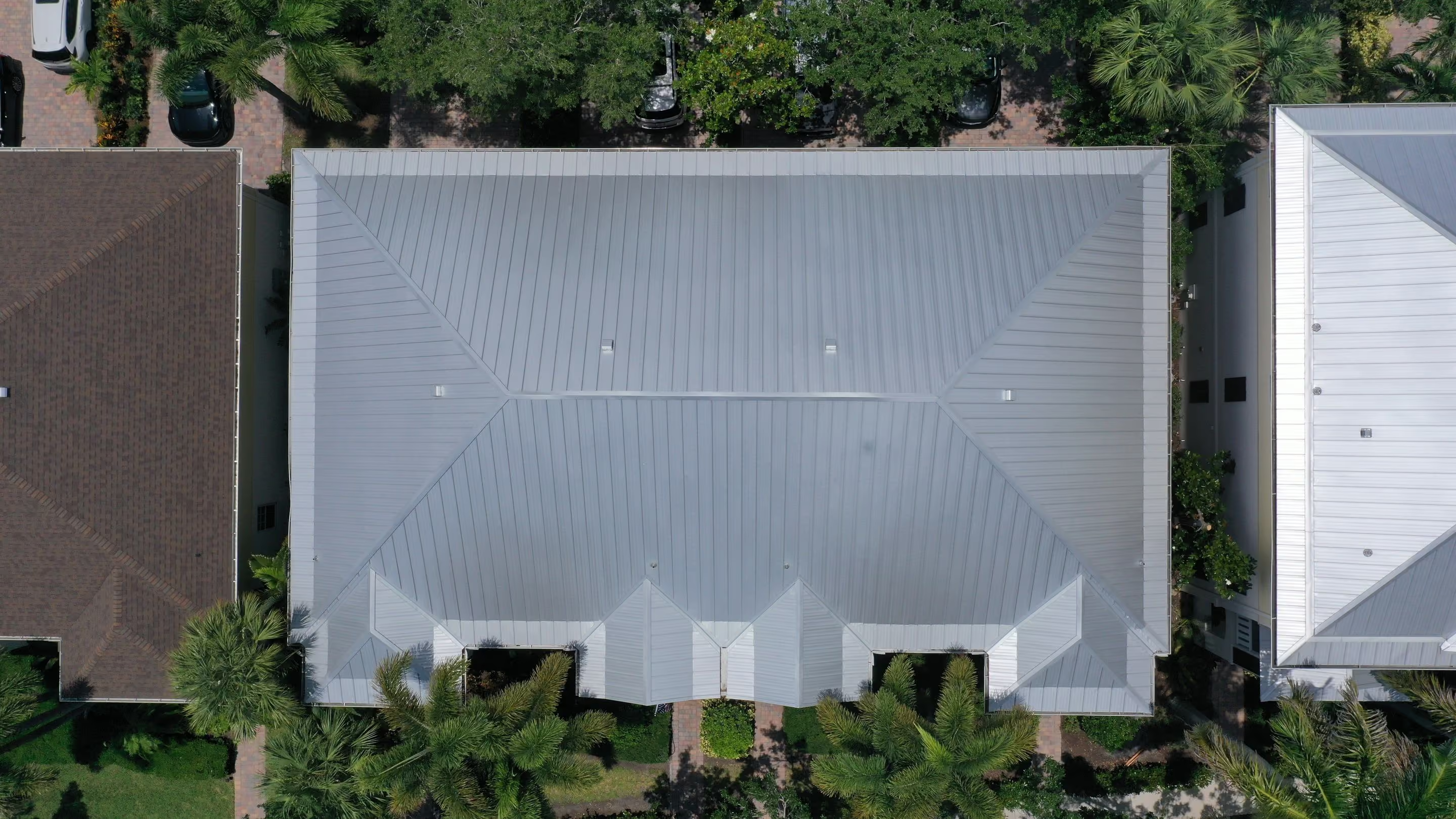
Commercial metal roofing in Jupiter and Tequesta.
Standing seam and exposed fastener roofs for offices, warehouses, HOA communities, and multifamily buildings across Palm Beach County.
CCC1335204Reviews
5.0Serving
Palm Beach CountyRoofing since
2015
Two panel systems do the commercial work.
Metal is the longest-lived roof we install on a commercial building, 40 to 60 years in Florida. The reason is mechanical. There are fewer holes for water to find, and the panel moves with the heat instead of fighting it. Which profile a building gets is a spec decision. It comes down to the slope, the exposure, and what the roof has to look like from the street.
Standing seam
Hidden fasteners, the coastal default
The pick for offices, shops, clubhouses, and any building a tenant looks at. The fasteners are clips hidden inside the seam. No screw head ever sits out in the weather. The panel rides on those clips, so it can move as the sun heats it. This is the profile we put closest to the water. It comes in the widest range of colors and shapes. That lets a spec meet an HOA guideline instead of asking the board for an exception.
Exposed fastener
The warehouse and industrial answer
Screws go through the face of the panel into the framing. It costs less and goes on faster than a seamed system. The rubber gaskets under those screw heads age in the sun. So this roof needs a fastener check every few years. We put that upkeep item in the proposal up front.
Slope minimums
The pitch picks the profile
A mechanically seamed panel handles a much lower slope than a snap-together or exposed fastener panel. So the pitch narrows the choice before anything else does. Below what any metal panel will take, the roof is a membrane job, not a metal one.
Panel gauge
Heavier steel, aluminum at the ocean
We spec commercial standing seam a step heavier than the steel common on houses. Full oceanfront exposure moves the spec to aluminum. It gives up a little strength and it cannot rust. Either way the metal carries a factory-baked finish baked on at the mill. It is not paint applied on the roof.
Reflective finish
The color works on the cooling load
A panel in a reflective finish turns away much of the sun. That heat does not pass down through the deck. So the air conditioning carries less load on an August afternoon. On a building that cools year round, it shows on the utility bill month after month.
Long runs
One panel, edge to ridge
Gulf Coast Supply forms our panels to the exact run length and ships them to the site. A long slope goes on as single panels, with no end laps for water to find. Panels that long move with the heat. The hidden clips let each one grow and shrink without working a fastener loose.
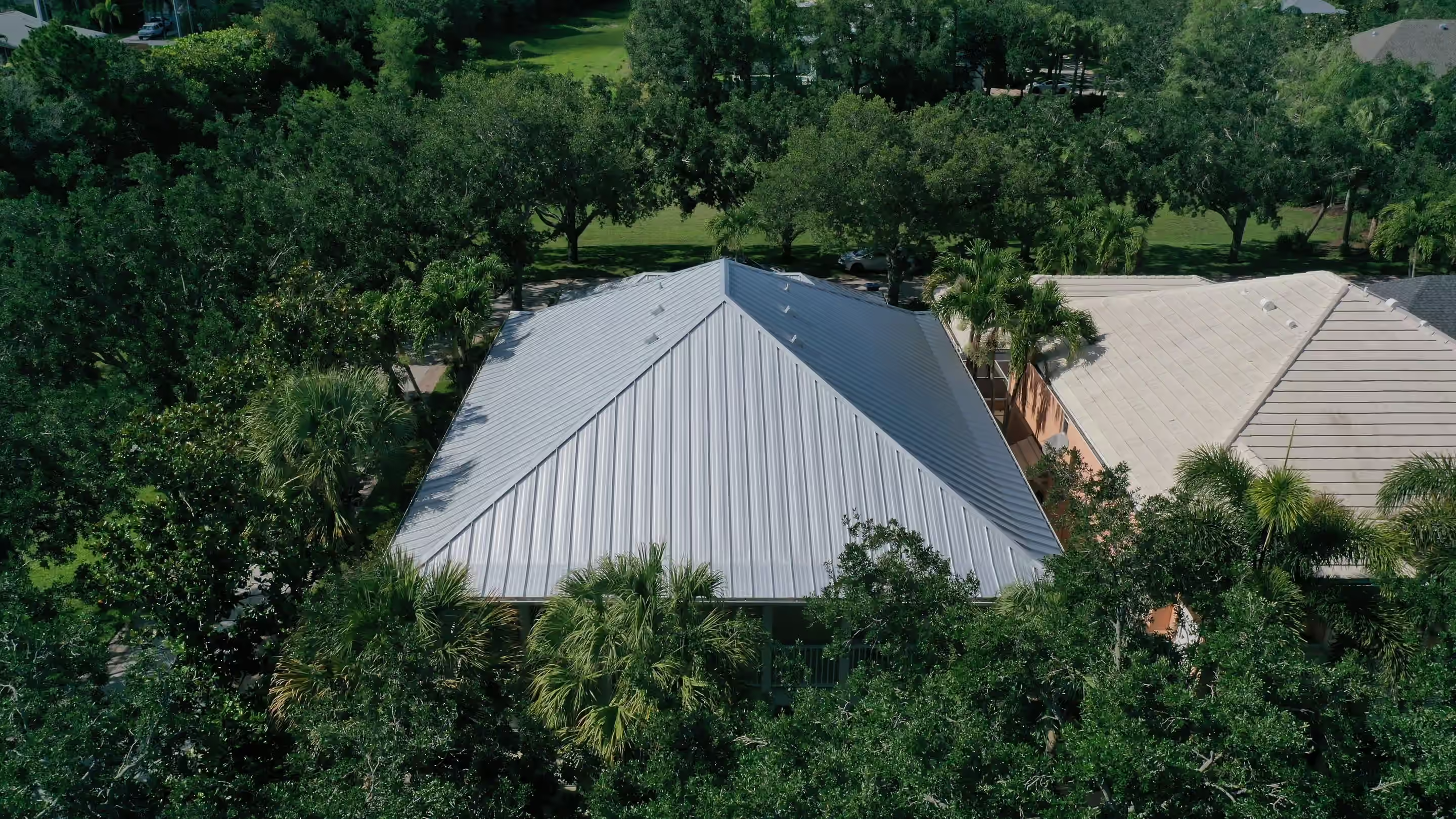
Salt air and design wind speed drive the spec.
A metal roof in Tequesta or along the Jupiter waterfront is a salt problem first. Air off the Jupiter Inlet and the Loxahatchee River works on standard fasteners and bare cut edges. Tequesta sits with the river on one side and the ocean on the other. So the spec changes with the address. We use corrosion-resistant hardware everywhere. The finish system gets heavier as the roof nears the water. Aluminum goes on where the building takes spray. The metal and the finish are written into the proposal by distance to the water.
Wind is engineering paperwork as much as installation. Design wind speeds here are among the highest in the country. Every assembly we install is engineered to the wind-uplift standard the code sets for coastal Palm Beach County. Where the spec calls for it, we use systems carrying Miami-Dade product approvals. The permit, the engineering submittals, and the final inspection all run under license CCC1335204. We carry them through.
40 to 60 years
Metal retrofit keeps the building open.
Two things worry an owner more than the roof itself. One is the schedule. The other is the finished interior underneath. A retrofit sidesteps both. It works where the existing roof is dry, the deck is sound, and the code allows a recover. A retrofit framing system carries the new panel over the old roof. Nothing is torn off. The interior never opens to the weather, and tenants stay put while the work runs overhead. A recover also puts no tear-off waste in a dumpster. The panels themselves are recyclable when the metal roof eventually reaches the end of its own service life.
It is not the answer every time. We tell you which after we walk the roof, not after you sign. A roof holding trapped moisture has to come off. An aging flat section is often better served by a coating system or a TPO membrane. A panel roof with one opened seam or a backing-out fastener is usually a repair, not a new roof. The assessment costs nothing. It comes back in writing, with photos.
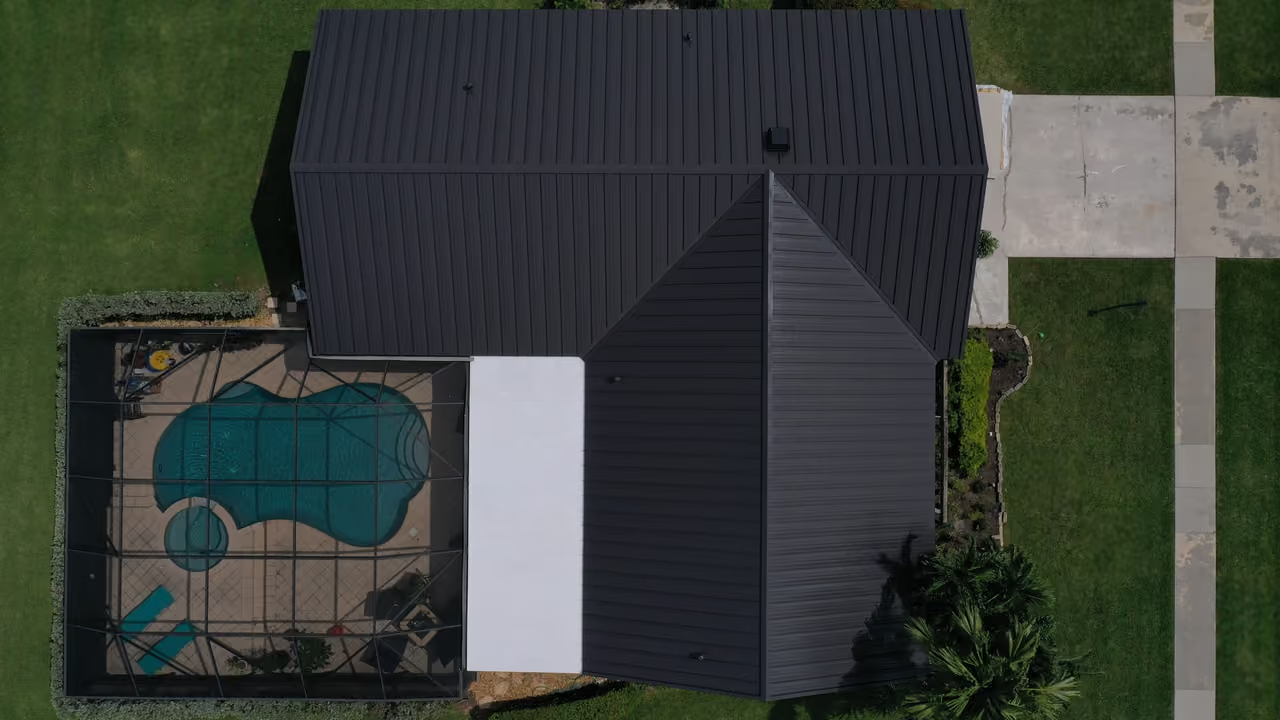
What backs a commercial metal roof.
Metal warranty language deserves a careful read on a commercial building. The strongest metal warranties on the market are written for single-family homes owned by individuals. Their headline terms change the moment the owner is a company. The same is true if the building is anything else. We do not quote residential terms on a commercial roof, here or in a proposal.
A commercial metal roof from Luxe comes with two documents you can read before you sign. One is our workmanship coverage, in writing. The other is the manufacturer's finish warranty on the panel steel, covering fade and chalk. Both go in front of you before contract. The term you expect is the term on the paper. Where a property pairs metal mansards with a flat field roof, that flat section is its own system. It has its own coverage, on the commercial roofing page. Boards and property managers get the same paperwork on every building. That side of the practice is on the condo and HOA page.