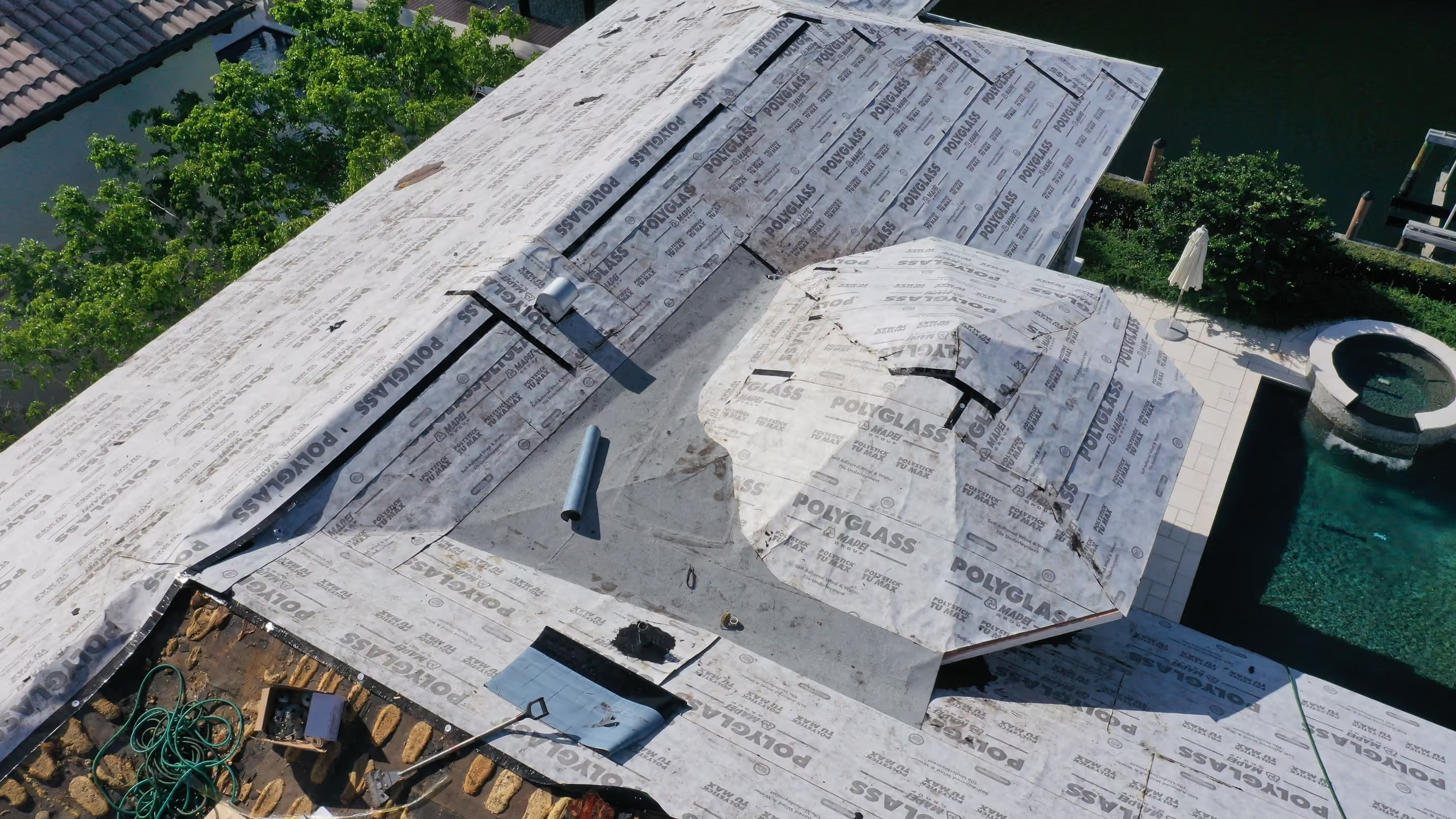
Do I need a roof inspection?
When a roof needs one, and what the free documented inspection covers.
CCC1335204Reviews
5.0Serving
Palm Beach CountyRoofing since
2015
The short answer.
Here is when to get an inspection. The roof passed 10 years and nobody has checked it in a year. A named storm just came through, or you are about to buy or sell a home. You see a ceiling stain or granules in the gutters. Under 10 years with no symptoms, an annual inspection still pays, but it is not urgent.
Roof age
At ten years, a roof starts having problems you cannot see from the driveway. Sun-cracked pipe boots and worked-loose fasteners let water in. A stain on the ceiling means the deck has been wet a while. Past ten years, have a professional look at the roof every year.
After a storm
Wind damage hides. Creased shingles and displaced tiles look fine from the ground, then open up in the next heavy rain. Any named storm that crosses Palm Beach County earns a documented look, even when nothing appears wrong. The photos show what the storm did to your roof, and what it did not.
Buying or selling
A general home inspection is a screening. One inspector covers many systems in a few hours, often seeing the roof only from the eave or the ground. Before a closing, have the roof evaluated on its own by a licensed roofing contractor. He walks the surface, opens the attic, and puts the remaining service life in writing. Do it before you list, and the roof stays out of the price negotiation.
Visible symptoms
A stain or bubbling paint on a ceiling. Granules collecting at the downspouts. Shingles lifted or missing after wind, or a roofline that sags or dips along a run. A musty smell upstairs, or daylight showing in the attic. A cooling bill that climbed while nothing else changed. Any one of these moves the inspection from this year to this week, because each one means water or heat is already working on the house.
What a Luxe inspection covers.
Two passes over the same roof: we fly it, then we walk it. The aerial photos show the damage pattern, and the walk and the attic check confirm the cause.
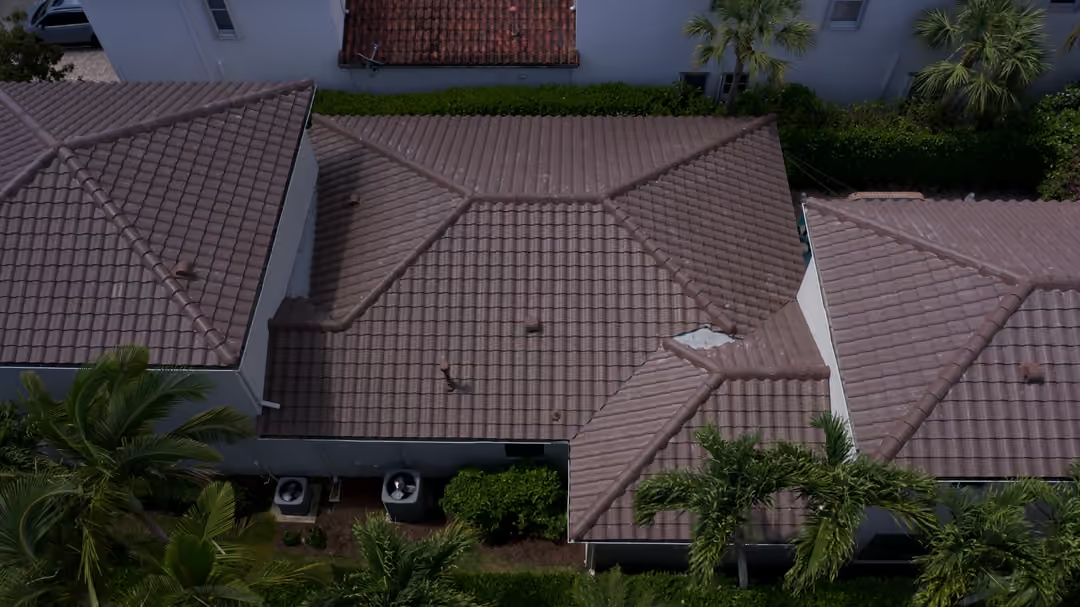
Drone survey
We fly the roof first, photographing every slope from above, including the ones too steep or too high to walk safely. The aerial photos catch damage patterns you cannot see from a ladder at the eave. Creased shingle runs and displaced tiles show up clearly from up there.
On the roof
Then we walk it. We check the flashing at the walls and valleys, every pipe boot, and anything else that comes through the roof. Ridge caps too, and the sealant at each of them. The rest depends on your material: slipped and cracked pieces on tile, worn fasteners and washers on metal, unsealed tabs and loss of the surface grit on shingle.
In the attic
We look for daylight through the deck, moisture staining on the framing, and insulation holding water. We also check the ventilation, because it sets how fast a Florida roof ages.
At the edges
We check the condition of the board along the roof edge and the overhang underneath, and whether the gutters carry water off the roof or hold it against the edge. Edge rot shows up years before the middle of a roof fails, and it is usually where the trouble starts.
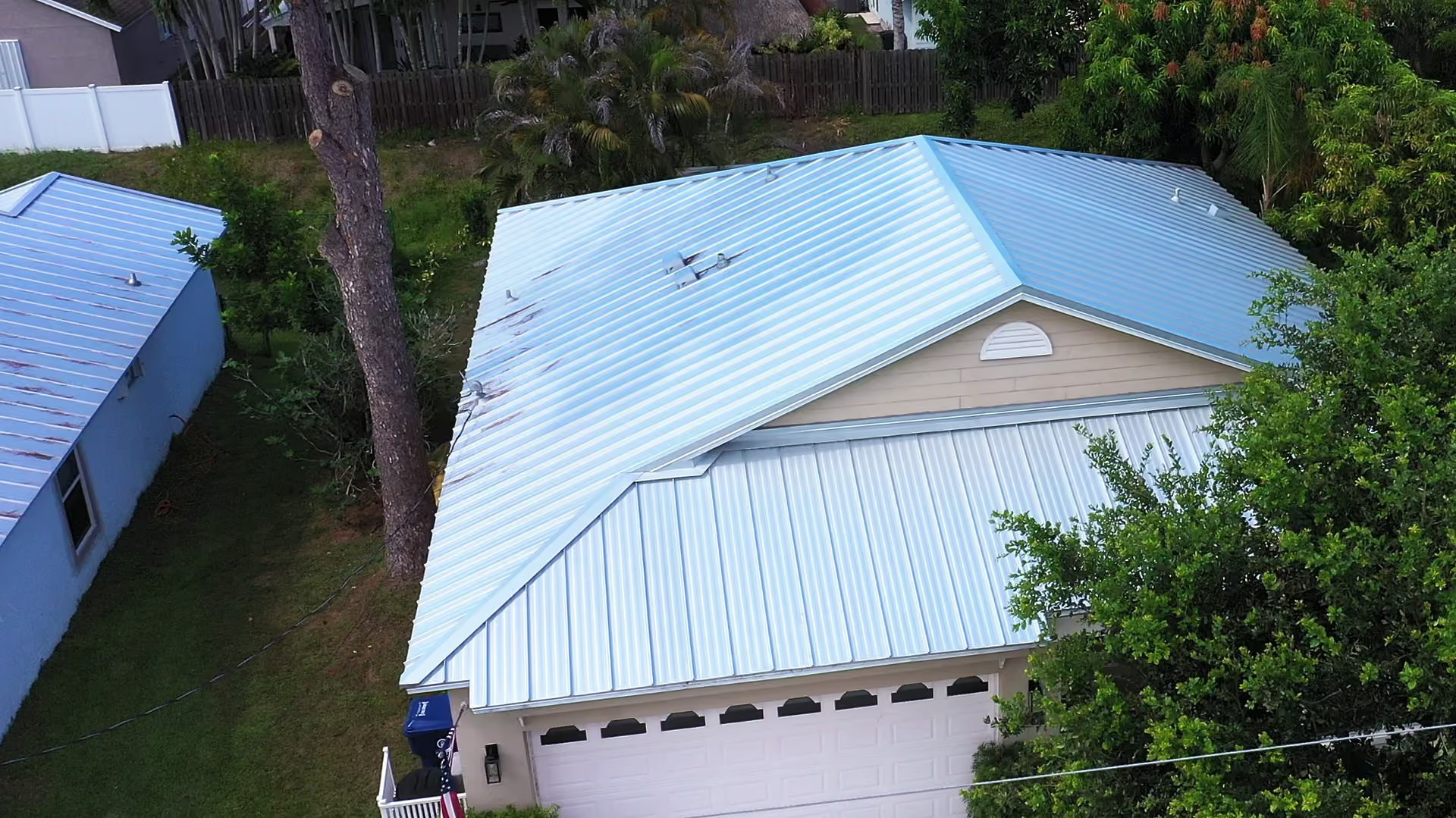
An active leak goes to the front of the line.
If water is already coming in, do not wait for an inspection slot. Call us, and the repair crew stops the water first. Once the roof is dry, we document its condition. In South Florida humidity, a small hole becomes a mold problem within days, soaking insulation and framing long before a stain reaches the ceiling. That work runs through our emergency roof repair crew.
A leak-focused inspection is its own job. The stain is rarely right under the hole, so we trace the water to its actual entry point before we repair anything. We look from the roof and from inside the attic. We answer the phones weekdays 7 to 7 at (561) 941-1799, and a message left after hours gets a callback within 24 hours.
Free, and in writing.
Every inspection ends in a written, photo-documented condition report. You see the cracked boot or the slipped tile in the photograph, where it sits on the roof, and what happens if it waits. The roof's remaining service life is spelled out in plain terms. A verbal opinion from a driveway is not an inspection. Plan on 45 minutes to two hours on site for most homes, depending on roof size, pitch, and attic access.
The inspection and the report are free for homeowners in our Palm Beach County service area, with no obligation attached. If the findings call for repairs, we price them in writing. When a roof is near the end of its life, the conversation turns to replacement: the cost page shows what drives the numbers, and the roof replacement page shows how the job runs. A roof with nothing wrong gets a report that says exactly that. Book yours through the contact page or call the shop.
Once a year, and after every named storm.
That is the schedule for this climate. Sun and humidity age a roof faster here than up north. The failures that matter stay invisible from the ground until they have already let water in. A yearly look catches them while the fix is still a repair rather than a replacement.
Here is the calendar that fits Palm Beach County. Inspect in the fall, as hurricane season winds down. If the roof needs work, book it into the winter dry season. A named storm resets the clock whatever the date, and the post-storm look records the roof's condition while the evidence on the surface is fresh.